

The Asian Trade Centre was the premier regional thought leader, advocate, and educator for trade in Asia
THIS SITE IS NOW PERMANENTLY CLOSED
Please enjoy our past content
Research • Trade Advisory • Capacity Building
We worked with businesses and governments across the Asia-Pacific to make better trade policy



From the Talking Trade Blog
Read the latest insights from our team on trade issues that matter the most to policy and business circles in the region.

Multilateral rules-based trade, championed by the World Trade Organization (WTO) and its predecessor, the General Agreement on Tariffs and Trade (GATT), refers to the system where international trade is conducted according to agreed-upon transparent, non-discriminatory and impartial rules, negotiated by all its members, rather than being subject to the whims of individual governments.
While there are multiple impacts of such trade, we choose to single out five underappreciated benefits. These are not exhaustive, but they summarize important gains for all segments of society when trade is conducted by these non-discriminatory and transparent rules.
1. Open and fair multilateral trade provides a level playing field for all economies
The multilateral trade system is composed of 164 economies, with differing levels of development. They set the rules of engagement among all through negotiations and acceptance of the rules by consensus. The principles of non-discrimination, reciprocity, transparency and special and differential treatment allow a fair trade system in which developing economies have a voice. Each member can contribute to the construction of system that creates value for itself and for the world as a whole through trade. Differences with other countries are solved peacefully, using a trusted and enforceable mechanism of dispute settlements. The multilateral system shows that collaboration among nations is not only possible but the key for sustainable and inclusive development.

Trade in environmental goods plays a central role in addressing global environmental challenges. It facilitates the advancement, adoption, and dissemination of environmental technologies to mitigate environmental risks, reduce pollution, and optimize resource utilization. In ATC’s previous Policy Brief (23-02), we discussed two main categories of environmental goods: 1) products that are supportive of environmental protection or yield positive environmental outcomes and 2) products that are comparatively more “environmentally friendly” than similar products serving the same purpose.
The latter category presents particular challenges for the trading system, as identifying environmentally friendly goods necessitates clear criteria and standards, which can be complex to define. Moreover, establishing interoperable standards and labelling criteria for environmental goods requires a delicate balance between setting ambitious environmental objectives and ensuring feasibility and cost-effectiveness for manufacturers. The absence of universally accepted standards and labels for environmental goods leads to variability across countries and regions, which can hinder trade and create disparities in the assessment of product environmental performance. Despite the challenges, institutional and country-level initiatives have gained momentum in developing internationally recognized standards, particularly in areas such as carbon footprint measurement, energy efficiency, water efficiency, and greenhouse gas emissions. Quantification of such production emissions and performance outputs provide increased knowledge base and data to promote international cooperation in the exchange of environmental and trade policy-relevant technical and scientific information, and support work to harmonize product standards and labels relevant to achieving environmental objectives. Our newest Policy Brief, released today, discusses two types of environmental standards and labels – mandatory or voluntary. Mandatory standards and labels are imposed by government regulations and can be considered non-tariff measures (NTMs). Voluntary standards, on the other hand, are typically developed by non-governmental entities or corporations and are not regulated by laws. Both approaches have their advantages and disadvantages, and their selection depends on industry-specific objectives and regulatory environments.

What explains this apparent paradox of accelerating focus on taking steps to tackle climate change with limited forward progress in crafting trade policies that are responsive to climate-friendly objectives? The Asian Trade Centre’s newest Policy Brief looks in detail at the difficulties of defining environmental goods. [This Talking Trade post merely highlights some of the issues explored in the Brief—be sure to read the whole thing!] Policymakers in search of answers zeroed in on challenges in moving environmentally-friendly products across borders. They were able to identify one specific issue: potentially high levels of tariffs applied to certain goods at the borders. These tariffs were acting as a brake, impeding the flow of goods and driving up costs. Hence, one early and sensible idea was to consider how to reduce tariffs on environmentally friendly goods. If tariffs are leading to lower utilization of climate-friendly products, the reduction or elimination of tariffs on these products should lead to their greater use. APEC members intended to have signatories agree to reduce tariffs on listed products to less than five percent within three years. There would be “real world” consequences to inclusion/exclusion from APEC’s list of environmental goods (EGs). Items on the list would have tariffs reduced or eliminated while those not included would not. Getting to the final set of 54 EG products, released in 2012, was not an easy process. Understanding why it was so hard highlights the difficulties that are likely to affect a range of policy responses ahead.
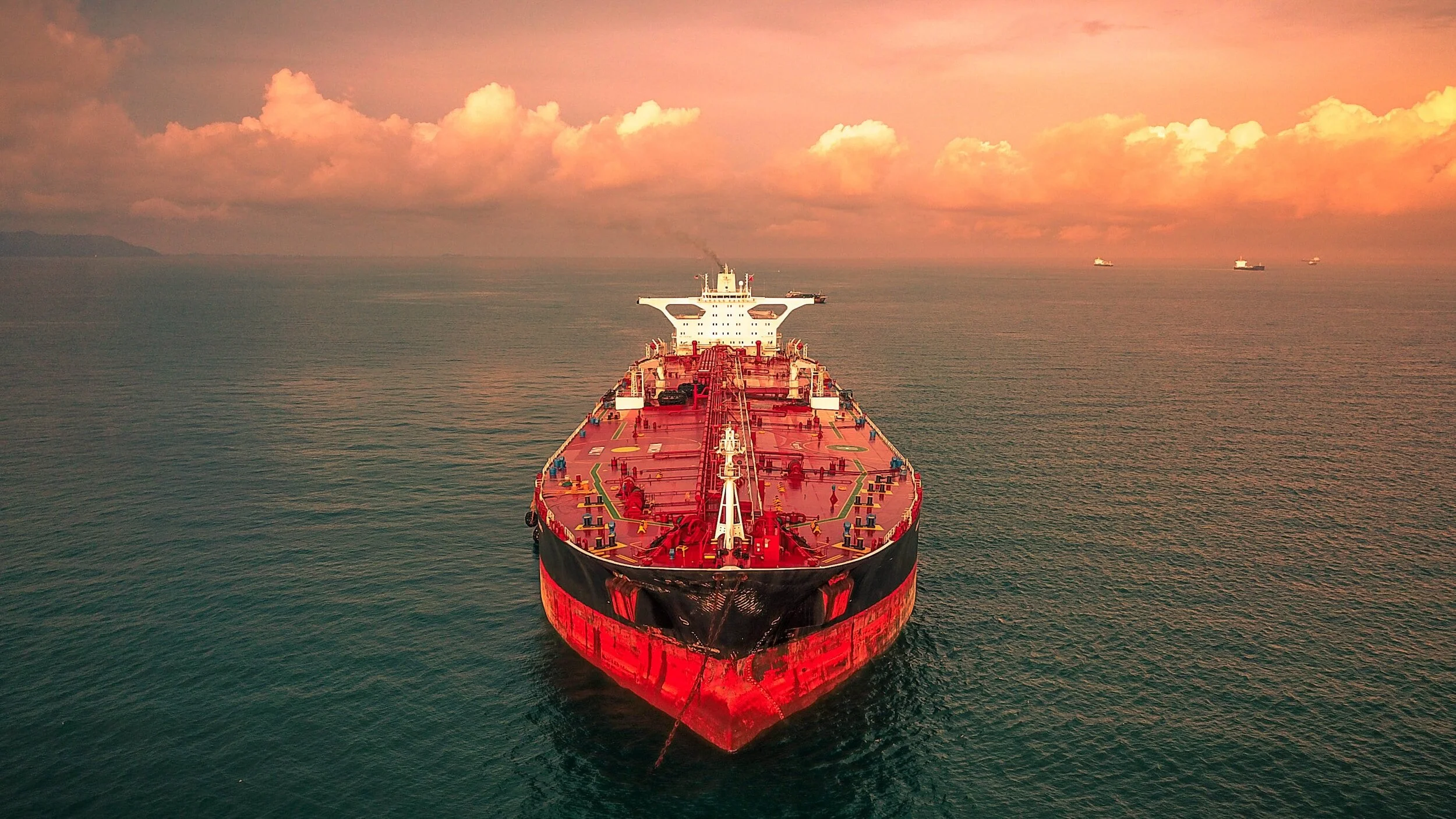
Asia is home to over half of the world's population and boasts diverse landscapes, from bustling urban centers to extensive agricultural regions. However, this diversity also makes Asia particularly vulnerable to the impacts of climate change, such as rising sea levels, extreme weather events, and devastating floods. These climate challenges intersect with trade policies, especially as the world shifts towards carbon reduction and green technologies. Yet, discussions among trade policymakers about the impact of environmental policies on trade practices have been limited. This limited dialogue is partly due to the global focus on building consensus to combat climate change, as seen in the United Nations Framework Convention on Climate Change (UNFCCC). With the 28th Conference of the Parties (COP 28) scheduled for late 2023 in Dubai, the importance of considering the trade-related implications of climate measures is growing. Environmental provisions have been included in various trade commitments for some time, but the urgency of the climate crisis is pushing trade policy into the forefront. The interconnectedness of environmental issues across borders has long been recognized, from concerns about acid rain to ozone depletion. However, global climate change challenges are on a different scale, leading to international treaties like the Kyoto Protocol and the Paris Agreement. These treaties obligate governments to take action to reduce greenhouse gas emissions. As these commitments are put into practice, it becomes increasingly important to consider how climate-related policies will impact trade flows and practices. While there are some multilateral efforts within the World Trade Organization (WTO) to address trade and environmental concerns, there are currently no specific global trade agreements focused on sustainability. The complexity of trade, sustainability, and climate issues has led to alternative approaches, including regional forums like APEC and ASEAN, as well as bilateral initiatives, to address these emerging challenges.

While the UK signature on the concluded accession protocol is to be welcomed, it does not mean that firms should expect to receive benefits from CPTPP expansion just yet. First, the agreement has pass domestic UK approval procedures, which includes Parliamentary votes. The protocol will also need to be approved by existing CPTPP members, using whatever domestic procedures are in place for managing this process. In some members, domestic approvals might also require Parliamentary approval. The UK accession protocol will only enter into force (EIF) once the UK and at least 6 existing members have completed their internal processes and 60 days pass. Members appear to be targeting approval within 15 months. Of course, these procedures could be shorter or longer than anticipated. When the original CPTPP was moving towards ratification and approval, members were targeting a start date of January 1, 2019. However, timing can be difficult to get quite right. Several members wanted to be among the first 6 members to ratify the deal. The Vietnamese were working hard to hit the January 1 deadline. Several existing members moved slightly faster than anticipated and the 6th instrument of ratification was deposited in time to launch entry into force on December 30, 2018, instead of January 1. This meant that the whole agreement came into force sooner than expected, with the first round of tariff cuts taking place on December 30 and the second “year” of tariff cuts starting just three days later on January 1.[1] The Vietnamese had an unexpected delay, which meant CPTPP did not come into force for Vietnam until January 14, 2019, when it joined Australia, Canada, Japan, Mexico, New Zealand, and Singapore. Peru was not a full member until September 19, 2021, Malaysia on November 29, 2022, Chile on February 20, 2023, and Brunei finally joined just last week, on July 12, 2023.[2] [Photo courtesy Photo: RNZ / Giles Dexter]

Which makes the use of the dispute system in the Comprehensive and Progressive Trans-Pacific Partnership (CPTPP) all the more surprising. Last year, New Zealand challenged Canada over the proper implementation and allocation of tariff rate quotas for dairy products. CPTPP members established the first-ever panel to review the case in March 2023. The public hearing for the case is taking place this week in Ottawa, with a decision expected in a matter of weeks afterward. The case is expected to be publicly released in September. This will give observers a first glimpse into how well or poorly the dispute system embedded in the CPTPP works. It could also provide an important impetus to future use of the dispute mechanism as a tool to prod members towards improved enforcement of various provisions. Frankly, none of the current CPTPP members is likely to have fully implemented all their commitments. As a simple example, the agreement requires all members to update their government procurement thresholds at least every two years. This is necessary because the limits were written as Special Drawing Rights (SDRs) which are not typically top of mind for firms looking to compete for construction contracts. The SDR conversion rates and the adjustments to procurement are supposed to be published regularly but (as far as I know) not a single government has done so. These sorts of implementation gaps appear across the agreement. Some may be relevant to businesses and others may be less so. But the basic point here is that, by relying on a dispute settlement mechanism built into an FTA to manage effective implementation, it requires such a mechanism to actually be used by participants. Otherwise, enforcement and compliance will always be weak. The use of the dispute settlement provisions for the first time in the CPTPP, then, represents a potentially significant boost to the overall implementation incentives for this agreement. For companies that may be waiting for improved delivery of various CPTPP promises, stepped up attention to implementation cannot come soon enough.

This is not what seems to have happened. Instead, members shared experiences and tried to figure out how to solve challenges that might arise in the future. Given the rapid timelines, it may not be a surprise that the best “solutions” turned out to be to continue talking. In fact, most of the supply chain pillar consists of a series of committees to address specific aspects of resilience in the future. This is, frankly, a bit like getting a toothbrush for Halloween. It’s not a bad idea. Talking and keeping lines of communication open is important. But it’s not really what you thought you were getting when you dumped out the bag at the end of the night of trick-or-treating. As a result, businesses are already showing impatience and disappointment with IPEF. A group of nearly 30 diverse sizable industry associations just sent a letter to the US Commerce Secretary and the US Trade Representative expressing their concerns about IPEF outcomes. The key sentence of relevance is “However, we are growing increasingly concerned that the content and direction of the administration’s proposals for the talks risk not only failing to deliver meaningful strategic and commercial outcomes but also endangering US trade and economic interests in the Indo-Pacific region and beyond.” IPEF’s peculiar negotiating structure, as has been noted before, is largely the result of a White House determination that market access of any kind was off the table for the talks. The letter from businesses highlighted a range of topics that could have been included that did not offer up tariff reductions but could still provide important economic and business outcomes. These include standards-related barriers to trade, obstacles to remanufactured goods, or specific regulatory challenges for key sectors. Of course, it is possible that these types of issues will end up being identified by the IPEF committee structures, with the creation of new approaches to solve some of the concerns raised by American businesses and firms across the region. However, it’s also possible committees never get past sharing experiences or never manage to meet at all. The great irony is that governments and businesses do seem keen to address new issues that will be increasingly important in the future like digital trade rules, sustainable trade, or resilient supply chains. But if the supply chain pillar that has been substantially concluded is any guide, the IPEF as a whole falls woefully short of accomplishing these tasks. It’s a toothbrush and a lecture rather than a bag with candy.

In short, there are at least three ominous implications of revoking PNTR. First, the United States would be reversing a bedrock principle of the global trading system—to avoid discrimination. While regular readers certainly know that the system has been under tremendous pressure, it has continued to function as a brake on all kinds of otherwise possible unilateral actions by all World Trade Organization (WTO) members. This brake will be gone if the US explicitly opts for discrimination. Second, while some supporters of revoking PNTR seem to suggest that this action will be limited to China, once the brake is gone, it is gone for all. There is little reason to think that others will not opt to do something similar, including against the United States. Hence, businesses should be extremely concerned that their “foreign” products and services in markets around the world will suddenly be targets for all sorts of actions, starting with unilateral adjustments in tariff levels and moving towards outright discrimination in treatment over foreign products in markets. Some could argue that firms already face a range of discriminatory actions in different markets, particularly with inconsistent application of non-tariff measures, unequal licensing requirements, or generally unfair trade treatment. However, these measures are actually quite restrained compared to what will happen in the total absence of MFN. Third, as always, the worst damage is likely to be felt by firms and communities that are already at the margins. Poor developing countries and small firms are going to be badly hit by adjustments to the global trading rules. Without a strong network of trade agreements in place to help cushion the blows, sudden adjustments in tariff rates, differentiated customs treatment, denied access to services markets, rejections of licenses or qualifications, and restrictions on movement of business people will make trade increasingly difficult or even impossible across borders.
It was an exciting time to be in the region. Governments were enthusiastically signing up to a wide variety of trade agreements. For example, Laos completed accession procedures to become the 158th member of the World Trade Organization (WTO). We were in Bhutan for two workshops to support a renewed consideration of joining the WTO. We also had several training activities in Timor Leste with members of Parliament and across the government to support accession to the WTO in conjunction with plans to become part of ASEAN. Mongolia, the last WTO member to not have a free trade agreement (FTA), asked for training to complete an FTA with Japan. ASEAN itself was rapidly pursuing greater internal integration, with plans for the ASEAN Economic Community (AEC) pushed forward from 2020 to 2015. It was also working on a range of agreements called ASEAN+1s with major powers in the region including Australia, China, India, Japan, New Zealand, and South Korea. There was also a lot of activity to integrate Asia more closely to the rest of the world. The first meeting in what would become the Trans-Pacific Partnership (TPP) took place in Singapore on the sidelines of APEC. The TPP, as regular Talking Trade readers will recall, rapidly expanded and finally concluded in 2014. The European Union was actively involved in working with members of ASEAN to create an eventual bloc-to-bloc agreement, starting with a bilateral FTA with Singapore.